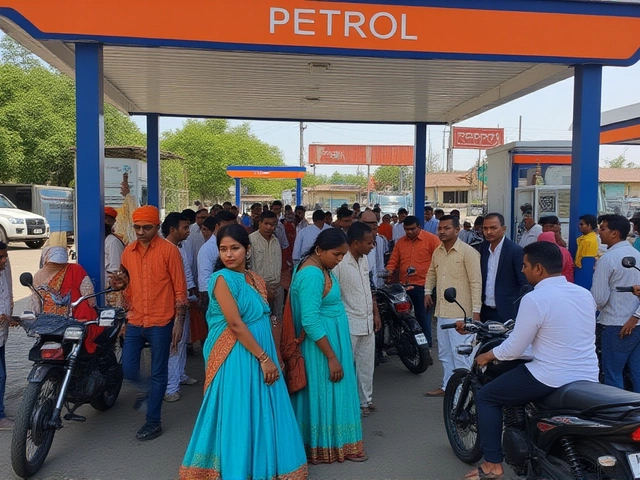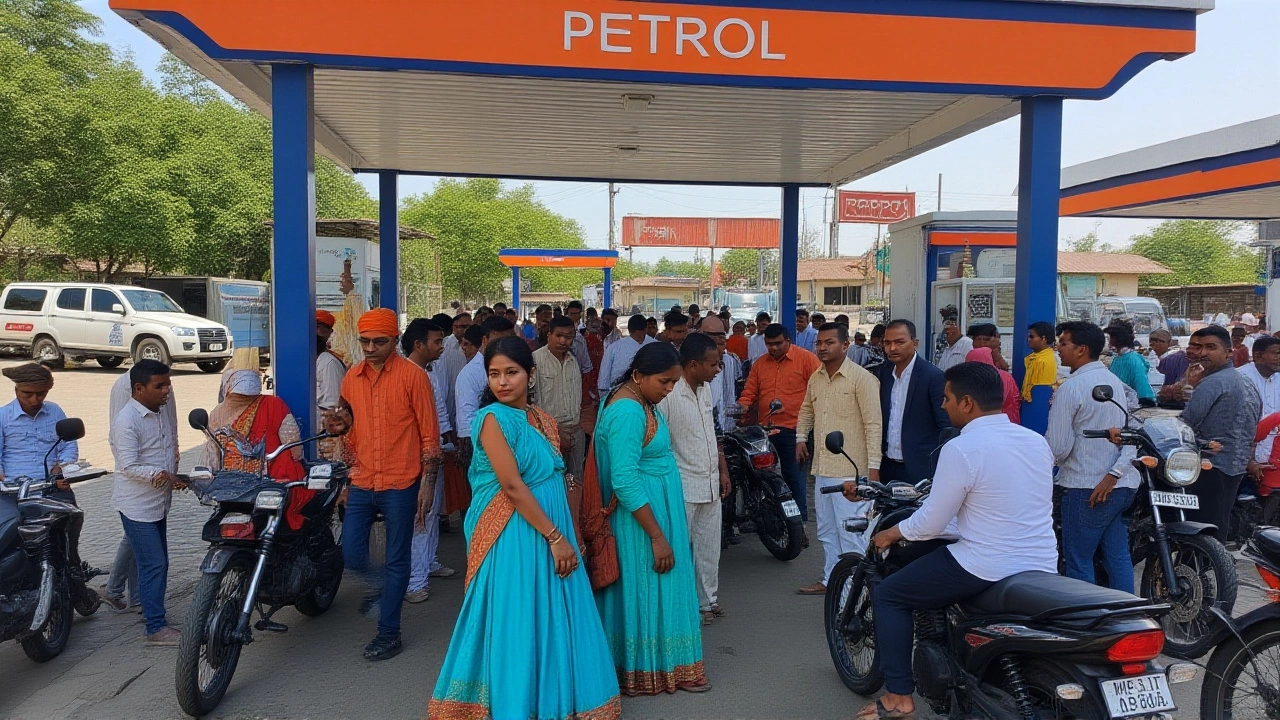
Commuters across India are facing a fresh financial blow as fuel prices have been hiked for the fourth time in just 11 days. This latest increase marks a significant jump in daily living costs, with petrol rising by ₹2.61 per liter and diesel climbing by ₹2.71 per liter nationwide. The changes took effect immediately, catching many drivers off guard after a period of relative stability.
The twist is that this isn't an isolated incident. Over the past fortnight, consumers have seen their pump bills swell significantly. In fact, cumulative data suggests that petrol prices have jumped by approximately ₹7.35 per liter, while diesel has surged by ₹7.53 per liter in this short window. That’s not pocket change—it’s a substantial hit to household budgets already stretched thin by broader economic pressures.
City-by-City Breakdown: Where Does It Hurt Most?
While the base rate adjustments apply nationally, the final price at the pump varies drastically depending on local taxes and dealer margins. Here’s how the new rates look in major metropolitan hubs:
- New Delhi: Petrol now sits at ₹102.12 per liter (up from ₹99.51), while diesel has crossed the psychological barrier to reach ₹95.20 per liter (previously ₹92.49).
- Mumbai: Known for high taxes, Mumbai sees petrol at ₹111.21 per liter, reflecting a hike of ₹2.72.
- Kolkata: Drivers here face petrol prices of ₹113.51 per liter, following a ₹2.87 increase.
- Chennai: The southern capital reports petrol at ₹107.77 per liter, up by ₹2.46.
It’s worth noting that these aren’t just small tweaks. In cities like Kolkata and Mumbai, you’re paying over ₹110 for a single liter of regular petrol. For context, that’s nearly double what it was just a few years ago. The disparity between cities highlights the complex tax structure in India, where state VATs can make up nearly half the final price.
Premium Fuels Also See Sharp Increases
If you drive a high-performance vehicle, the pain is even sharper. Premium fuel variants haven’t escaped this trend. Reports indicate that premium products are rising at the same pace as regular fuels.
For instance, XP95 premium petrol, previously priced at ₹106.63 per liter, has now jumped to ₹109.24 per liter. Similarly, XG diesel, which was ₹97.81 per liter, has climbed to ₹100.52 per liter. These increases suggest that oil marketing companies are passing on global crude oil fluctuations directly to consumers without absorbing any margin, regardless of fuel grade.
The Ripple Effect on Inflation
Here’s the thing: when diesel gets expensive, everything else follows. Diesel powers most of India’s freight trucks, agricultural machinery, and public transport buses. Economists warn that sustained hikes in diesel prices act as a direct invitation for broader inflation.
"Continuous rise in diesel prices invites inflation in all goods," noted one report summarizing the current sentiment. When logistics costs go up, the price of vegetables, electronics, and manufactured goods inevitably ticks upward. This creates a vicious cycle where higher fuel costs lead to higher consumer prices, which then erode purchasing power further.
The situation is particularly sensitive given recent global energy market volatility. While international crude prices may fluctuate, the domestic pricing mechanism in India—driven largely by excise duties and state taxes—means that local hikes often outpace global trends. Consumers are left wondering if there’s any relief in sight.
What Lies Ahead?
The outlook remains cautious. Analysts point out that the current trend shows no signs of reversing soon. With geopolitical tensions affecting supply chains and domestic fiscal needs driving tax revenues, the government and oil marketing firms appear reluctant to cut prices.
"Based on current trends, petrol and diesel prices will continue to rise," suggests the prevailing analysis. While no specific date or target price has been announced, the frequency of these hikes—four times in eleven days—is unprecedented in recent memory. Commuters are advised to plan long trips carefully and consider carpooling or public transit where possible to mitigate costs.
Frequently Asked Questions
Why have fuel prices increased so frequently recently?
The frequent hikes are driven by a combination of rising international crude oil prices and unchanged domestic tax structures. Oil marketing companies revise prices daily based on global averages, but since excise duties and state VATs remain constant, any uptick in crude costs is passed directly to consumers. The four hikes in 11 days reflect sharp volatility in global energy markets.
How much have prices risen in total over the last two weeks?
Over the past 10-11 days, cumulative increases show petrol has gone up by approximately ₹7.35 per liter and diesel by ₹7.53 per liter. This rapid accumulation of hikes has led to significant jumps in retail prices across major cities like Delhi, Mumbai, and Kolkata.
Do premium fuels like XP95 see the same increase?
Yes, premium fuels are affected proportionally. For example, XP95 petrol rose from ₹106.63 to ₹109.24 per liter, and XG diesel moved from ₹97.81 to ₹100.52 per liter. The pricing adjustment applies across all fuel grades sold by major oil companies.
Will this affect the price of other goods?
Almost certainly. Since diesel is crucial for transportation and agriculture, higher costs increase logistics expenses. This typically leads to higher prices for groceries, packaged goods, and services. Economists view sustained diesel hikes as a primary driver of broader inflation in the economy.
Which city has the highest petrol price now?
Among the major metros reported, Kolkata currently has the highest petrol price at ₹113.51 per liter. Mumbai follows closely at ₹111.21 per liter. These high rates are due to additional state-level value-added taxes (VAT) imposed by West Bengal and Maharashtra governments.