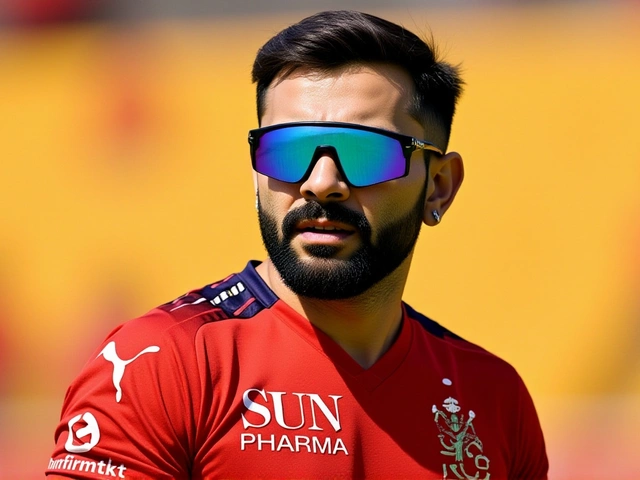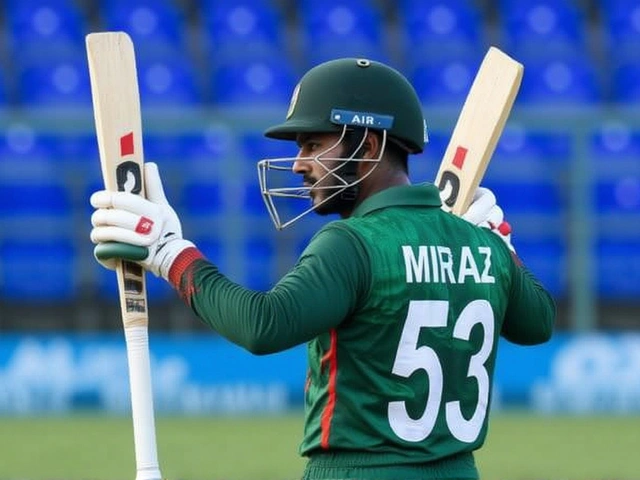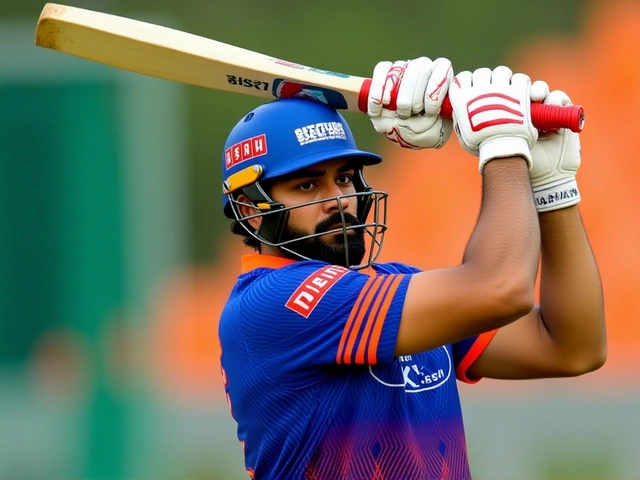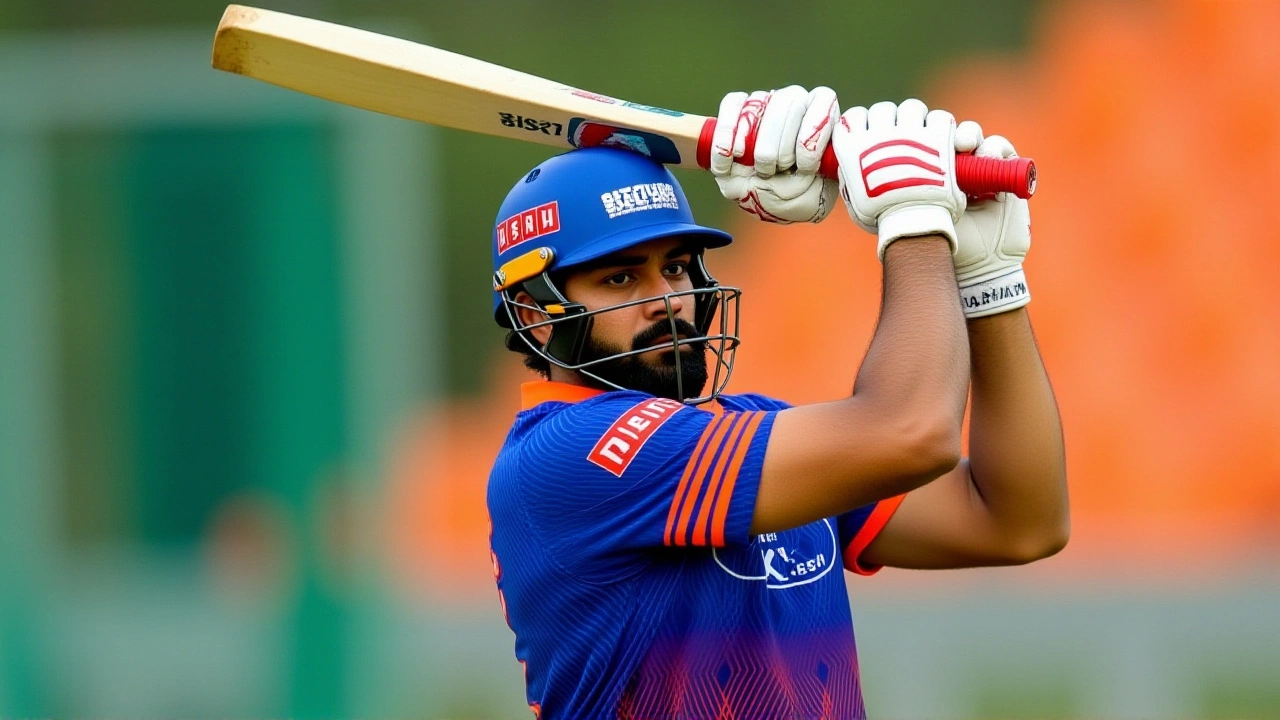
When Rohit Sharma, captain of the Indian national cricket team, became the subject of a public apology from a former selection committee member, it sparked immediate curiosity across the cricketing world. The incident, revealed through a viral video short titled "Aaj Bhi Bura Lagta Hai" (It Still Feels Bad Today), suggests deep regret over past decisions made regarding the star opener’s career.
The twist is that this isn't just another routine sports interview. It's a raw, emotional confession from an unnamed ex-selector who claims to have finally opened up about the reasons behind his actions—or inactions—concerning one of India's most successful modern captains. Here's the thing: in high-stakes cricket, where careers are made and broken by split-second selection choices, such admissions are rare. And when they happen, they usually carry weight far beyond the pitch.
The Viral Confession That Shook Cricket Fans
The story broke via a Hindi-language video short posted on social media platforms, tagged with both #cricket and #comedy—a combination that initially confused viewers. But as the clip gained traction, the underlying seriousness became clear. The former selector states plainly: "It still feels bad today." He goes on to explain that he has asked for forgiveness from Rohit Sharma himself, revealing what he calls the "truth" behind his previous stance.
What makes this particularly intriguing is the lack of official confirmation. There’s no press release from the BCCI (Board of Control for Cricket in India), nor any statement from Rohit Sharma’s management. Yet, the emotional tone of the video resonated deeply with fans who remember the turbulent years when Rohit was frequently dropped despite consistent performances.
Interestingly, the video also includes a line—"Mere lautne mein der ho sakti hai" (I might take some time to return)—which appears disconnected from the main narrative. Some analysts believe this could be part of a comedic skit layered onto the serious content, possibly added to boost engagement or soften the impact of the apology. Others argue it reflects the selector’s own hesitation in coming forward after so many years.
Why This Matters Beyond the Pitch
To understand why this apology carries significance, we need to look back at Rohit Sharma’s journey. For nearly a decade, he endured repeated omissions from the national squad despite being one of the highest run-scorers in domestic cricket. His patience, resilience, and eventual rise to captaincy have been hailed as a triumph of perseverance over politics. Now, hearing someone involved in those decisions express remorse adds a human dimension to what was once seen as purely administrative.
But wait—why now? Why would a former selector break silence years later? One theory suggests internal pressure within the cricket community, especially given how openly players like Virat Kohli and MS Dhoni have spoken about selection biases in recent interviews. Another possibility is that the individual sought redemption before stepping away completely from public life. Regardless of motive, the act itself signals shifting attitudes toward accountability in Indian cricket.
Reactions From Stakeholders
Fans reacted swiftly online, with many praising the courage it took to admit fault. Social media trends showed hashtags like #JusticeForRohit and #CricketNeedsTransparency gaining momentum within hours. However, not everyone welcomed the gesture warmly. Critics pointed out that apologies without concrete changes don’t fix systemic issues. They argued that if selectors truly believed their past decisions were wrong, they should advocate for policy reforms rather than personal mea culpas.
Meanwhile, current members of the selection panel remained silent. When approached for comment, sources close to the BCCI declined to engage, citing protocol around ongoing discussions. This silence only fueled speculation about whether similar regrets exist among other officials—but remain unspoken due to fear of repercussions.
Experts weigh in differently. Former cricketer Sunil Gavaskar noted during a podcast appearance last week that “apologies heal wounds but don’t prevent future ones.” He emphasized the need for transparent criteria in player evaluations instead of relying on subjective judgments. Similarly, sports psychologist Dr. Anjali Mehta highlighted the psychological toll such uncertainty takes on athletes: “Imagine knowing your talent isn’t enough—you’re waiting for permission to prove yourself.”
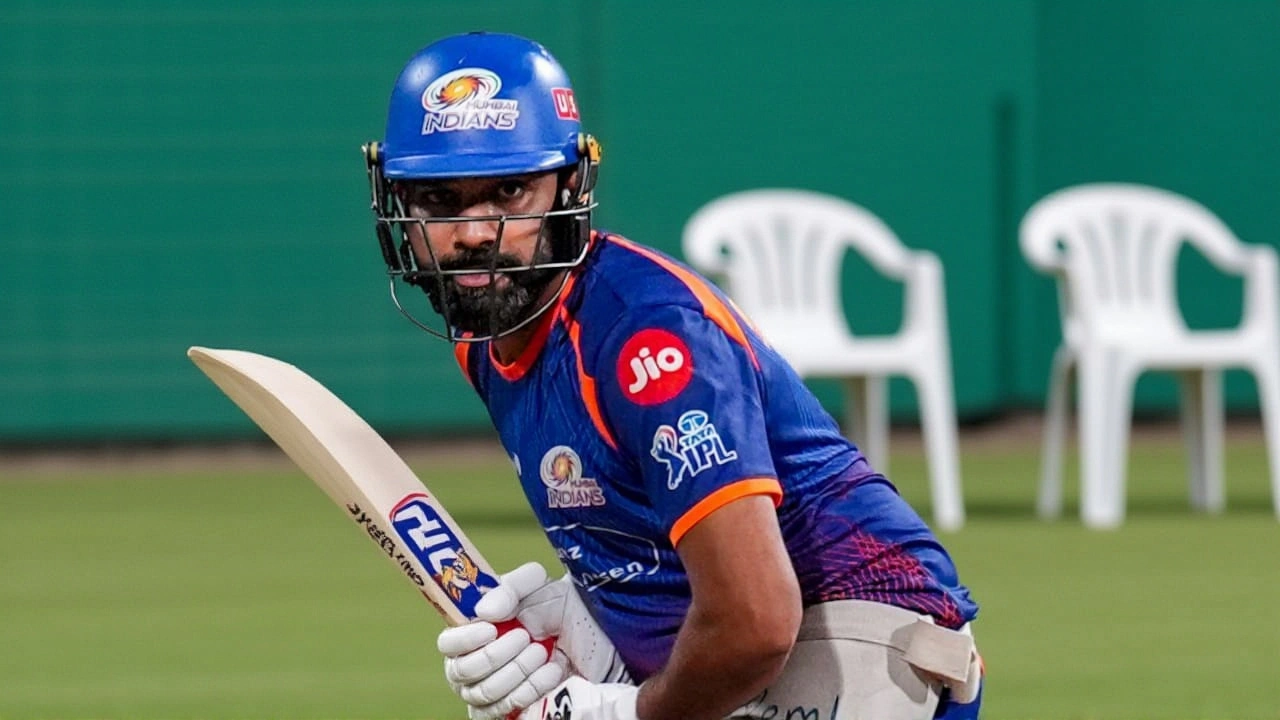
Broader Implications for Indian Cricket
This episode underscores growing demands for transparency in sports governance globally. In countries like Australia and England, independent review boards oversee selections to minimize bias. India lags behind in implementing such structures, leaving room for controversy whenever prominent players face unexpected drops. If this apology leads to broader conversations about reform, it could mark a turning point for the sport domestically.
Moreover, it raises questions about mental health support systems for athletes. Players dealing with prolonged exclusion often struggle silently, fearing backlash if they speak out. By sharing his guilt publicly, the former selector inadvertently sheds light on these hidden struggles—and perhaps encourages others to follow suit.
What’s Next?
As of now, there’s no indication that formal investigations will ensue. The BCCI hasn’t announced any reviews into past selection processes, nor has Rohit Sharma responded directly to the apology. Whether this moment becomes a catalyst for change remains uncertain. What’s clear, though, is that the conversation around fairness in cricket has intensified significantly.
In the coming weeks, watch for increased scrutiny on upcoming series selections. With World Cup preparations underway, every decision involving key players like Rohit, Jasprit Bumrah, and KL Rahul will come under magnifying glass examination. Will selectors learn from history? Or will old patterns repeat themselves? Only time will tell.
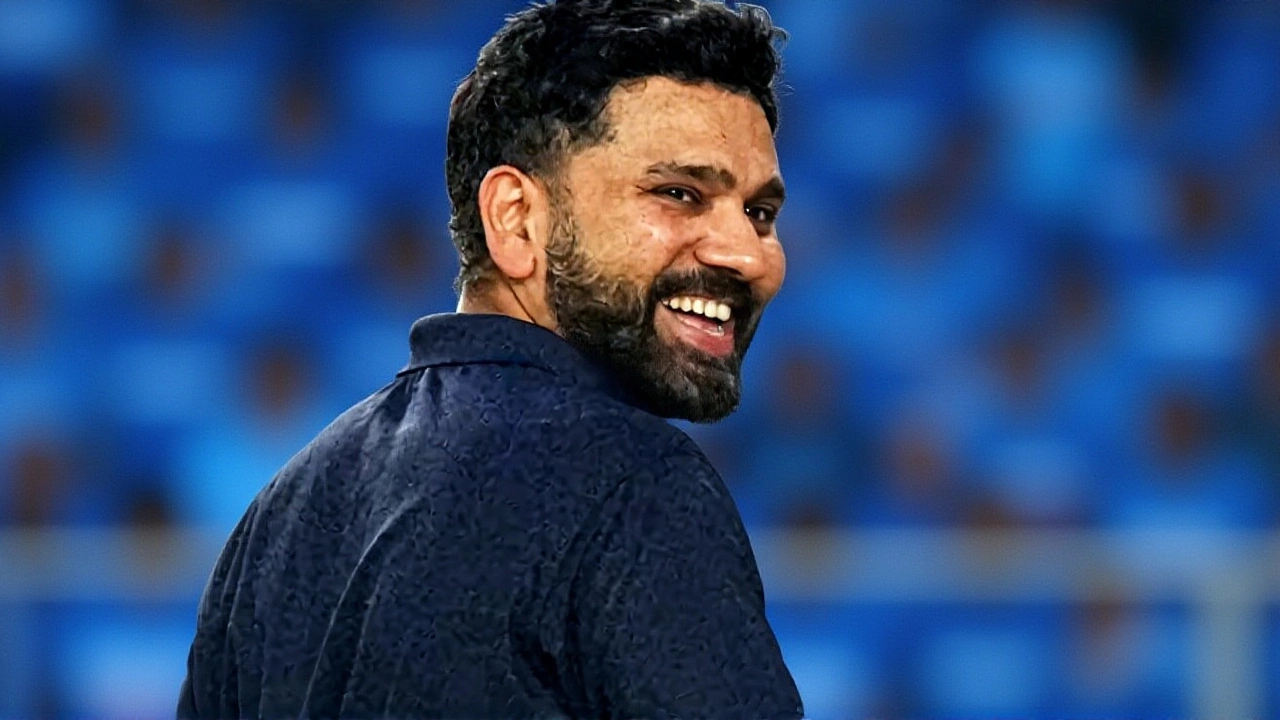
Background Deep Dive
Rohit Sharma’s path to leadership wasn’t straightforward. After debuting in ODIs in 2009, he struggled to secure a permanent spot until 2013. Even then, inconsistency plagued his early international career. It wasn’t until 2017–18 that he cemented his place permanently, eventually leading India to historic victories including the 2023 ODI World Cup final run.
His story mirrors those of several other greats who faced adversity before succeeding. Sachin Tendulkar was dropped multiple times; Sourav Ganguly fought against entrenched hierarchies. Yet none received public apologies from those responsible for sidelining them. That makes this case unique—not just because of its timing, but because of its vulnerability.
Frequently Asked Questions
Who is the former selector apologizing to Rohit Sharma?
The identity of the former selector remains undisclosed in the available footage. While rumors circulate online linking specific names, no credible source has confirmed who exactly issued the apology. Without direct attribution, verifying details stays challenging.
Did Rohit Sharma respond to the apology?
No official response from Rohit Sharma or his representatives has emerged yet. Given his composed demeanor throughout controversies, fans expect him to address it gracefully—if at all—when convenient for him personally.
Why did the selector apologize now?
Motives aren’t explicitly stated in the video. Possible explanations include guilt accumulation over years, influence from peers discussing openness, or desire for closure before retiring fully from public discourse. Speculation continues without definitive answers.
How does this affect future selections?
Direct impacts remain unclear unless institutional reforms follow. Indirectly, however, heightened awareness may prompt stricter evaluation metrics and reduced reliance on personal preferences during team compositions moving forward.
Is this related to comedy content mentioned in tags?
Partially yes—the inclusion of humorous elements seems strategic to attract wider audiences while delivering serious messages. Balancing entertainment with authenticity helps reach younger demographics unfamiliar with older cricket dynamics.